Discovering the Joy of Chinese Coconut Shrimp
Have you ever tasted a dish that takes you on a mini vacation with just one bite? That’s how I feel about Chinese Coconut Shrimp. This delightful combination of crispy shrimp, sweet coconut, and savory flavors reminds me of summer days spent by the beach. The aroma wafting through your kitchen while these beauties fry is enough to transport you to a tropical paradise. It’s a recipe that’s not only fun to make but makes every meal feel like a celebration.
What Makes This Recipe Special
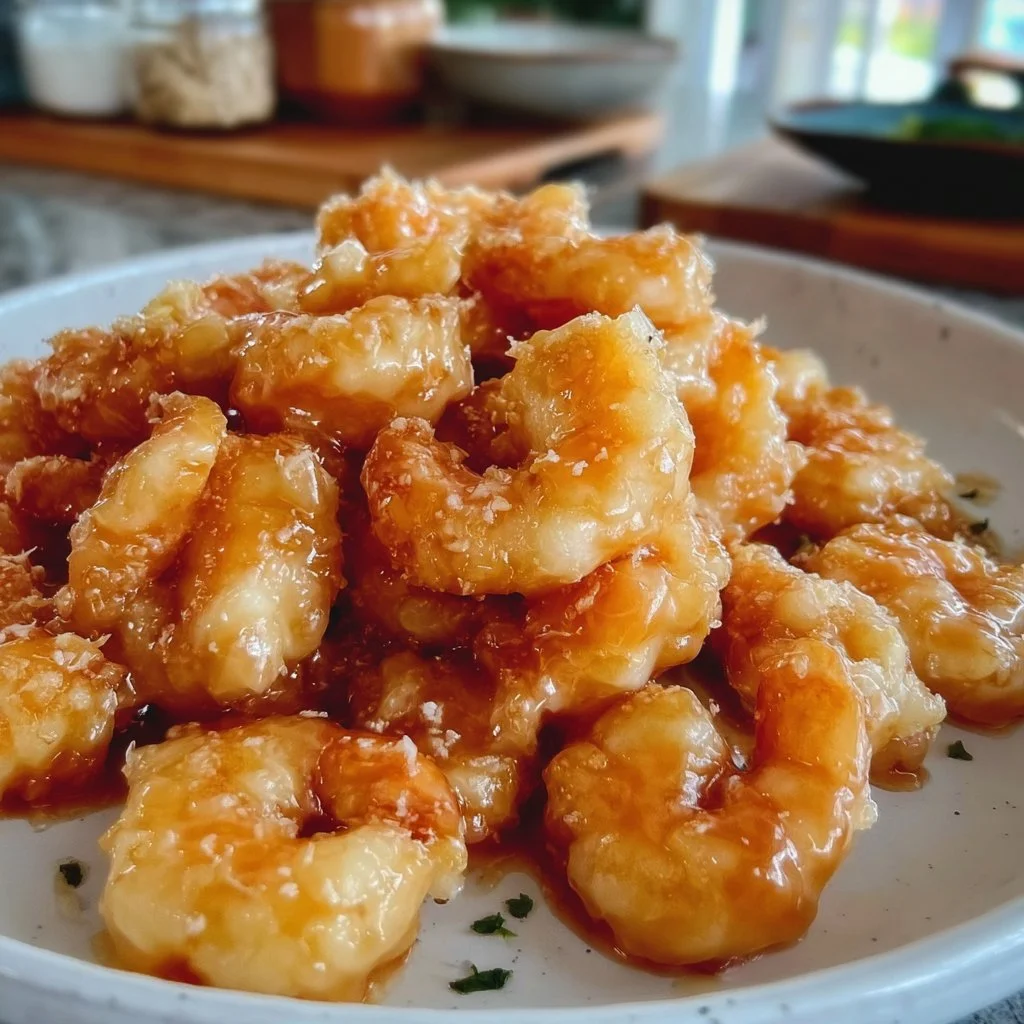
What sets this Chinese Coconut Shrimp apart is its irresistible balance of textures and flavors. The shrimp are coated in a crunchy coconut layer that gets wonderfully crispy when cooked, while the tender insides remain juicy and flavorful. Plus, the blend of spices and the hint of sweetness from the coconut create a perfect harmony that dances on your palate. There’s also a nifty trick with cornstarch that saves time and brings an extra crunch — I can’t wait to share that with you!
Ingredient List
- 1 pound large shrimp, peeled and deveined (fresh or frozen)
- 1 cup coconut flakes, unsweetened for a more authentic taste
- 1/2 cup all-purpose flour (or almond flour for a gluten-free option)
- 1/2 cup cornstarch (this gives that extra crunch)
- 2 large eggs (lightly beaten)
- 1 teaspoon garlic powder
- 1 teaspoon onion powder
- 1/2 teaspoon salt
- 1/4 teaspoon black pepper
- Oil for frying (coconut oil adds to the tropical vibe!)
Optional Substitutions:
- For a vegan twist, swap the shrimp for tofu and use flax eggs instead.
- Add spices like cayenne pepper or paprika for some extra heat.
Cooking Instructions
Before we dive into the cooking, make sure to set your kitchen up for success! You’ll want a clean workspace and everything close at hand.
Start by giving your shrimp a good rinse and patting them dry with paper towels. This helps the coating stick better. Next, set up a station: one bowl for the seasoned flour mixture, one for the beaten eggs, and another for the coconut flakes.
In a bowl, mix the flour, cornstarch, garlic powder, onion powder, salt, and black pepper. This blend will give the shrimp a lovely flavor! In a separate dish, whisk the eggs until they’re nice and frothy, and aim for the coconut flakes to be in another bowl, ready for a coating.
Now for the fun part: take each shrimp and dip it into the flour mixture first, coating it completely. Next, give it a dip in the egg, allowing any excess to drip off before rolling it in the coconut flakes. Make sure each shrimp is evenly coated; this is what gives that glorious crunch.
Once all the shrimp are breaded, heat oil in a skillet over medium-high heat. When the oil shimmers, carefully add shrimp in batches. Don’t overcrowd the pan; you want each piece to get that crispy finish. Cook each side for 2-3 minutes until golden brown, then transfer to a paper towel-lined plate to drain excess oil.
And just like that, your Chinese Coconut Shrimp is ready to be enjoyed!
Serving Suggestions
For a Family Feast
These crispy coconut shrimp can be the star of your dinner table. Serve them with a side of fluffy jasmine rice topped with scallions for a beautiful contrast. Drizzle some sweet chili sauce on the side for a delightful dipping experience. It’s the perfect family meal that brings everyone together!
For an Elegant Dinner Party
Elevate your dinner party by serving these shrimp on a platter with an array of dipping sauces: think sweet chili, soy sauce with sesame oil, or a zesty lime wedge. Pair with a light salad adorned with mango slices and avocado for a refreshing touch. Your guests will be raving!
Tips and Variations
Feel free to get creative with this recipe! Try incorporating different herbs like cilantro or mint in the coconut for an unexpected twist. If you’re feeling adventurous, add a splash of lime juice to the shrimp before breading — it adds an extra zing. You could also try baking instead of frying for a healthier option; just brush the coated shrimp with a little oil before popping them in the oven.
Q&A Section
1. Can I use frozen shrimp for this recipe?
Absolutely! Just make sure to thaw and pat them dry thoroughly before breading.
2. Can I make this recipe gluten-free?
Yes! Use almond flour instead of all-purpose flour, and ensure that your cornstarch is pure and gluten-free.
3. How do I store leftovers?
Store in an airtight container in the fridge for up to 2 days. They can be reheated in the oven to regain some crispiness.
4. Can the shrimp be frozen before cooking?
Yes, you can freeze the breaded shrimp before frying! Just ensure they are in a single layer, so they don’t stick together.
Behind The Scenes
Creating this recipe was a delightful adventure. I tried several variations before landing on the perfect combination of flavors. The first few batches were either too oily or not crispy enough, but I eventually cracked the code with the cornstarch trick! Watching my family devour those shrimp was the ultimate win after all the trial and error.
Final Thoughts
These Chinese Coconut Shrimp are not just a dish; they’re an experience filled with warmth, flavor, and a touch of joy. Whether it’s a cozy weeknight supper or a lively gathering with friends, there’s something about this recipe that just feels right. Serve them up with your favorite sides, and I promise, you’ll be transported to a sunny getaway with every bite.
I can’t wait for you to try this recipe and hear how you enjoyed it! Happy cooking!

Chinese Coconut Shrimp
Ingredients
Method
- Set up a clean workspace with everything close at hand.
- Rinse the shrimp and pat them dry with paper towels.
- In a bowl, mix the flour, cornstarch, garlic powder, onion powder, salt, and black pepper.
- Whisk the eggs until frothy in a separate dish.
- Prepare the coconut flakes in another bowl.
- Dip each shrimp into the flour mixture, then the egg, and finally roll in the coconut flakes.
- Heat oil in a skillet over medium-high heat. Carefully add shrimp in batches.
- Cook each side for 2-3 minutes until golden brown.
- Transfer cooked shrimp to a paper towel-lined plate to drain excess oil.