Make Delicious Greek Yogurt
There’s something undeniably comforting about the smell of yogurt fermenting in your kitchen. It takes me back to my childhood, where my grandmother would make her own yogurt, filling our home with warmth and sweet aromas. The creamy texture and tangy flavor of Greek yogurt make it a staple in so many dishes, from breakfast parfaits to savory dips. Today, I’m excited to share how you can easily create this delightful treat at home.
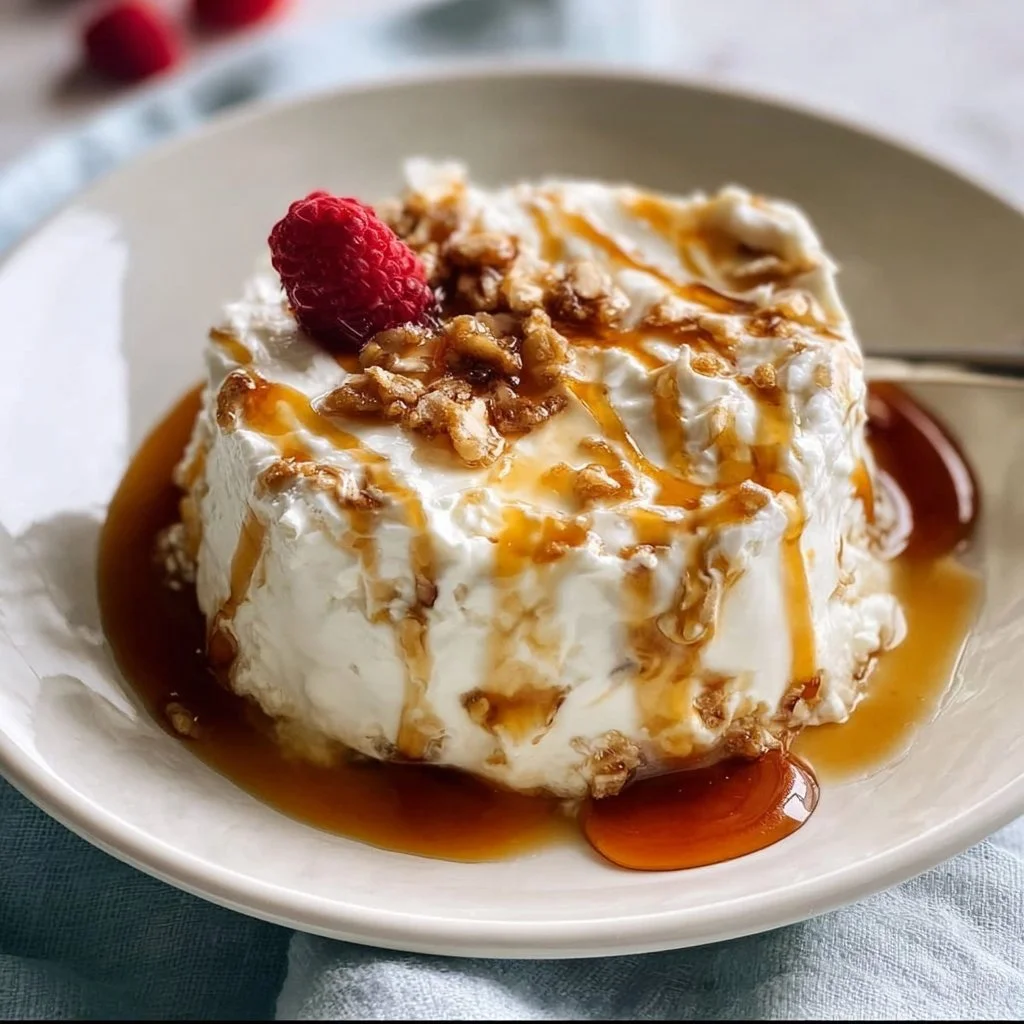
What makes this Greek yogurt recipe special is its simplicity and versatility. You only need a few basic ingredients and a bit of patience to achieve that thick, luscious yogurt we all love. Plus, making Greek yogurt at home allows you to control the flavor and consistency, which is a win-win for every food lover.

Ingredients
- 4 cups of whole milk (you can also use 2% for a lighter version)
- 2 tablespoons of plain yogurt (store-bought or homemade with live active cultures)
- Optional: sweetener to taste (honey, maple syrup, or sugar)
- Optional: flavorings (vanilla extract, fruit purees, or lemon zest)
Instructions
To get started on your Greek yogurt journey, pour the milk into a saucepan and heat it over medium heat. You’ll want to bring it to just below boiling, which is around 200°F (93°C). Stir occasionally to prevent the milk from scorching. This step is crucial; it helps to denature the proteins, leading to a smoother texture.
Once you’ve heated the milk, remove it from the heat and allow it to cool down until it reaches about 110°F (43°C). This is a comfortable temperature for the yogurt cultures to thrive. You can speed up this cooling process by placing the saucepan in a cold water bath.
Next, whisk the 2 tablespoons of yogurt into the cooled milk until it’s well combined. This is where the magic happens. The live cultures in the yogurt will begin to multiply and ferment the milk, transforming it into yogurt over several hours.
Now, it’s time to incubate your mixture. Pour the yogurt mixture into a clean glass or plastic container, cover it with a lid or a clean cloth, and place it in a warm area of your kitchen. You can use an oven with the light on, a yogurt maker, or a warm spot on your countertop. Let it sit for about 6-12 hours, depending on how tangy you like your yogurt.
After the incubation period, check your yogurt. It should have thickened and have a slightly tangy flavor. Now it’s time to strain it! Transfer the yogurt to a fine mesh strainer lined with cheesecloth and let it drain for about 1-2 hours, depending on your desired consistency. The longer it drains, the thicker it will become.
Once you’ve achieved your ideal consistency, transfer the yogurt to a container with a lid and refrigerate it. Your homemade Greek yogurt can be stored in the refrigerator for up to two weeks.
For serving suggestions, consider creating a delightful breakfast parfait. Layer your thick yogurt with granola and fresh fruits like berries or bananas. Alternatively, you can use it as a flavorful base for dips or dressings, such as in an authentic Mediterranean Greek salad, adding a creamy touch to an already delicious dish.
Tips or Variations
There are so many ways to play with this recipe! Here are a few ideas to enhance your Greek yogurt:
- Add flavors: Consider incorporating a splash of vanilla extract or lemon zest into your yogurt for a refreshing twist.
- Sweeten naturally: If you prefer sweeter yogurt, try adding honey or agave syrup to taste before serving.
- Boost nutrition: Fold in some crushed nuts or seeds for added crunch and health benefits.
- Vegan option: Substitute the dairy milk with a plant-based milk like almond or soy milk. Use a non-dairy yogurt as a starter to keep it vegan-friendly.
Q&A Section
1. Can I use low-fat milk for this recipe?
Yes, you can use low-fat milk, but whole milk will give you a creamier texture.
2. How can I make dairy-free Greek yogurt?
You can use coconut milk or almond milk as a base and choose a dairy-free yogurt with live cultures as your starter.
3. What should I do if my yogurt didn’t thicken?
If your yogurt hasn’t thickened, it may be due to low temperatures during incubation. Try wrapping it in a towel to retain heat and let it sit longer.
4. Can I reuse my yogurt as a starter for the next batch?
Absolutely! Just make sure to save some of your homemade yogurt as a starter for your next batch.
Behind The Scenes
When I first started experimenting with making Greek yogurt, I faced a few hiccups, particularly with fermentation times and temperatures. After a few attempts that resulted in either overly runny or too tangy yogurt, I finally found the sweet spot. The joy of that first perfect batch was absolutely rewarding and made all the trial-and-error worthwhile.
Final Thoughts
I hope you enjoy making and savoring your homemade Greek yogurt as much as I do! It’s perfect for breakfast, a snack, or even as a base for sauces and dressings. You might even find it pairs beautifully with dishes like high-protein Greek yogurt muffins for a delightful treat.
Let me know how your yogurt turns out, and remember, the keys to success are patience and creativity.
Conclusion
Making Greek yogurt at home is not only easy but also incredibly fulfilling. If you want to delve deeper into the yogurt-making process, check out this easy three-ingredient recipe for additional tips. For a no-fuss method that requires no special equipment, you can refer to this guide on making Greek yogurt. Enjoy your kitchen adventures!
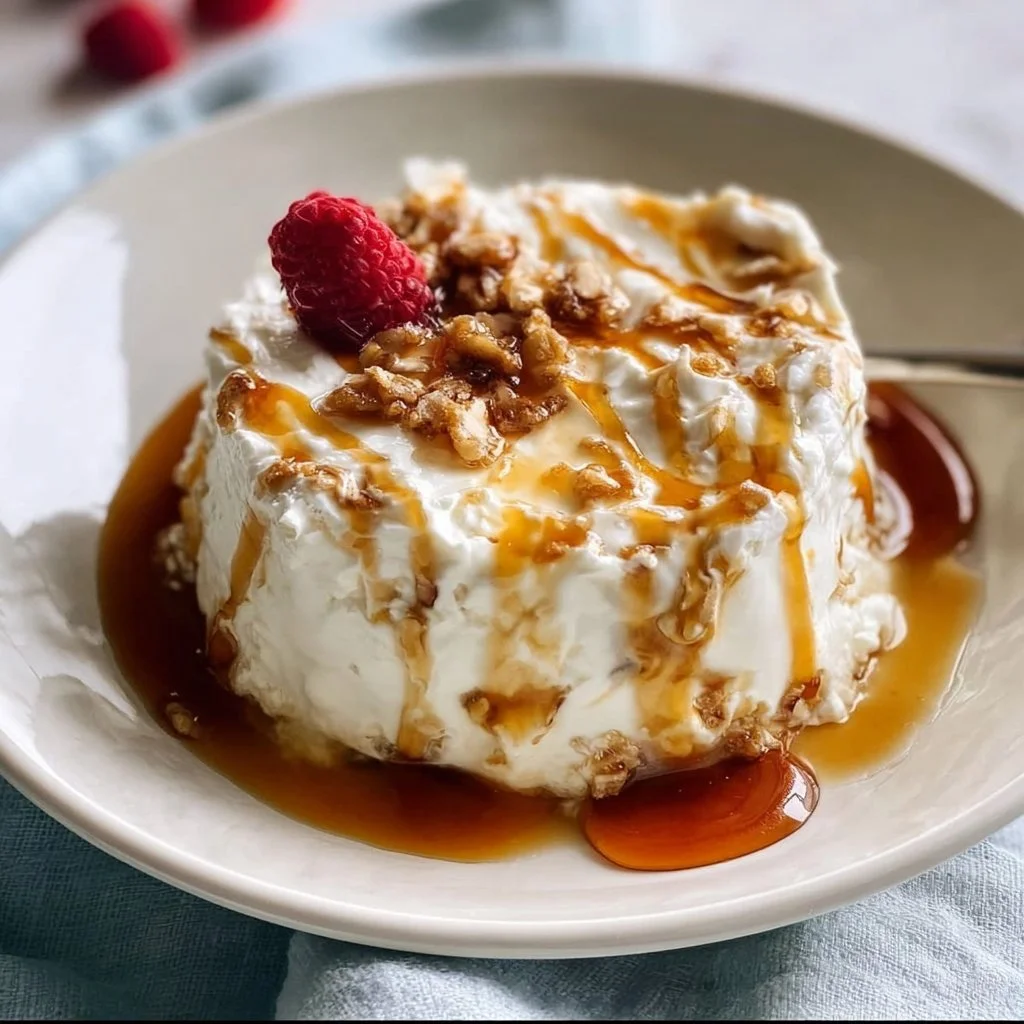

Greek Yogurt
Ingredients
Method
- Pour the milk into a saucepan and heat it over medium heat until it reaches just below boiling (200°F / 93°C), stirring occasionally to prevent scorching.
- Remove the milk from heat and let cool to about 110°F (43°C). This can be sped up by placing the saucepan in a cold water bath.
- Whisk the 2 tablespoons of yogurt into the cooled milk until well combined.
- Pour the yogurt mixture into a clean container and cover it with a lid or a clean cloth. Place it in a warm area to incubate for 6-12 hours, depending on desired tanginess.
- After incubation, check the yogurt for thickness and tanginess. Transfer it to a fine mesh strainer lined with cheesecloth and let it drain for 1-2 hours to achieve desired consistency.
- Once ready, transfer the yogurt to a container with a lid and refrigerate for up to two weeks.
- Consider layering your yogurt with granola and fresh fruits for a breakfast parfait or use it as a base for creamy dips and dressings.