Warm Up with Heartfelt Korean Radish Soup Delight
There’s something magical about a simmering pot of soup on a chilly evening. As a child, I’d rush home from school, greeted by the comforting aroma of my grandmother’s Korean radish soup wafting through the air. It was our family tradition to gather around the kitchen table, sharing stories and laughter while savoring each warm, hearty bowl. This soup isn’t just a dish; it’s a hug in a bowl that wraps you in warmth and love.
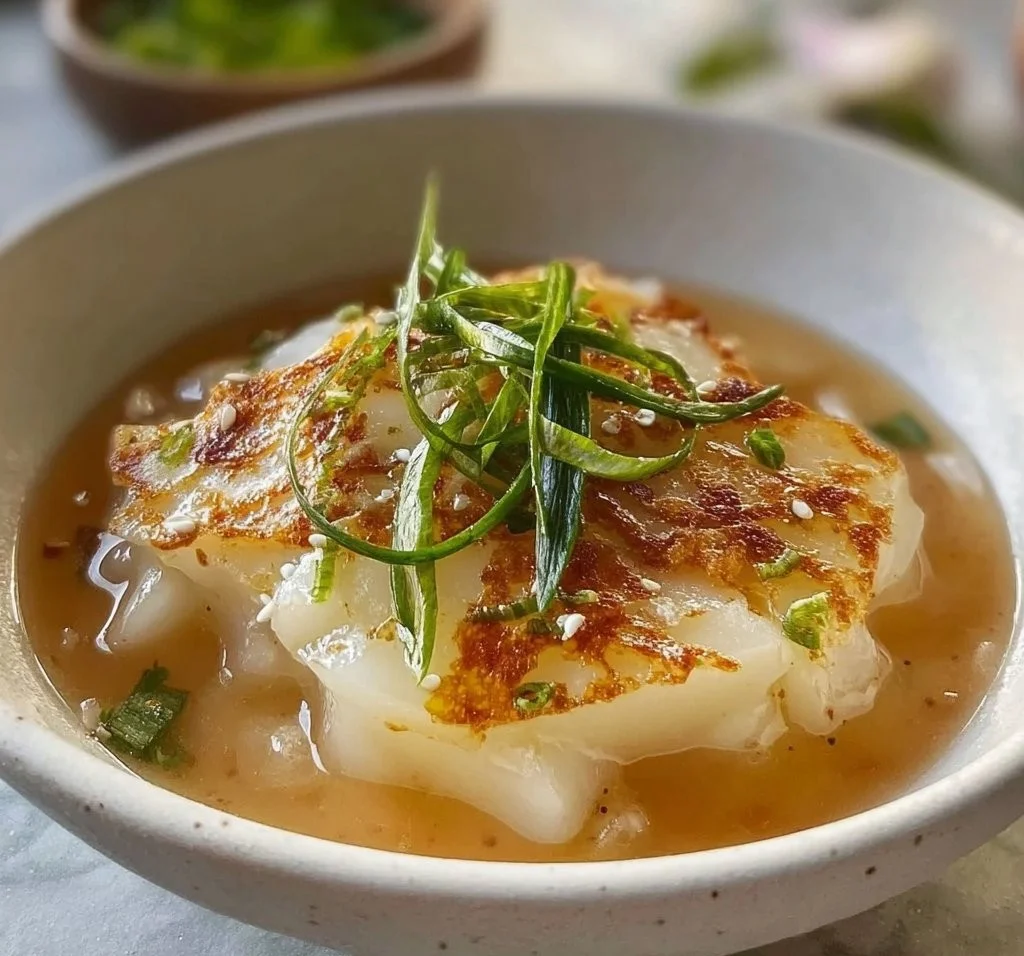
What makes this Korean radish soup special is the balance of flavors and textures. The tender, succulent bites of radish melt seamlessly into the rich broth, creating a heartwarming harmony. With a few time-saving tricks and fresh ingredients, this recipe brings that cherished comfort from my childhood directly to your table, all while being easy enough for a busy weeknight.
Ingredients
- 1 large Korean radish (daikon), diced
- 1 onion, sliced
- 3 cloves garlic, minced
- 6 cups of water or low-sodium chicken broth
- 1 pound of beef (brisket is preferred, but any stew meat works, or use tofu for a vegetarian version)
- 2 teaspoons salt (adjust to taste)
- 1 tablespoon soy sauce
- 1 tablespoon sesame oil
- 1 green onion, chopped (for garnish)
- Optional: sliced chili peppers for a spicy kick
Cooking Instructions
Start by placing your chopped beef into a large pot and cover it with water. Bring it to a boil over medium-high heat. Let it simmer for about 10 minutes to allow the scum to rise, then strain and rinse the meat under cold water. This step really clears the broth for a cleaner flavor.
Once your beef is prepped, return it to the pot and add 6 cups of water or chicken broth. Get it bubbling again and simmer for 30 minutes. During this time, the beef will start to become tender, and the broth richens with flavor.
Next, toss in your diced radish, sliced onion, and minced garlic. Let everything simmer together for another 20 minutes. At this point, your kitchen will feel like a delicious embrace as the smells swirl around you.
After the veggies have become tender, stir in the soy sauce, salt, and sesame oil, adjusting the seasoning to your liking. If you love a bit of heat, this is a perfect time to add some sliced chili peppers for that extra zing.
To finish, give everything a gentle stir and let it simmer for an extra five minutes. You want the radish to be soft but not mushy, still holding its shape.
Serving Suggestions: A Family Affair
To serve, ladle a generous portion of the soup into bowls and garnish with fresh chopped green onions. It’s delightful when paired with a side of freshly steamed rice or even a bowl of kimchi, which you can learn more about in my favorite Kimchi Recipes roundup. Share bowls and stories with loved ones for an unforgettable experience!
Tips or Variations
Want to tweak the recipe? Here are some ideas:
- For a vegetarian option, replace beef with firm tofu and use vegetable broth.
- Experiment with different vegetables like carrots or mushrooms for added texture.
- If you have leftover meat from another recipe, toss it in for even quicker cooking.
- To make your soup spicier, use gochugaru (Korean red pepper flakes) instead of or alongside fresh chilis.
Q&A Section
1. Can I use regular radish instead of Korean radish?
Yes, while the flavor might differ slightly, you can substitute regular radish, also known as red radish. It’s a bit spicier, but it can still make a delicious soup.
2. Is this soup gluten-free?
If you select a gluten-free soy sauce or tamari, this soup can easily become a gluten-free delight!
3. How long can I store leftovers?
Store the soup in an airtight container in the fridge for up to 3 days. The flavors tend to develop even more with time!
4. Can I freeze this soup?
Absolutely! Just make sure to let it cool completely before transferring it to freezer-safe containers. It can be kept in the freezer for up to 3 months.
Behind The Scenes
Developing this recipe was a wonderful journey through nostalgia. I tried a few different cooking techniques and tweaks — like adjusting the salt levels and exploring broth varieties. Finally, after a couple of attempts, the balance struck just right, reminiscent of those cozy evenings spent around my grandmother’s kitchen table.
Final Thoughts
This Korean radish soup is more than just a meal; it’s an invitation to slow down, gather your loved ones, and create lasting memories. Perfect for chilly nights or whenever you need a bit of warmth, this dish pairs beautifully with a side of rice, pickled vegetables, or a fresh salad. It’s a reminder that sometimes, the simplest ingredients can conjure the sweetest moments.
I can’t wait for you to try this heartwarming recipe! Let me know how yours turns out.
Conclusion
The essence of true comfort food shines through in this Korean radish soup. If you’re looking to explore other warm soup recipes, check out this delightful Spring Miso Soup that’s equally nourishing. And if you’re interested in spicy variations, the 21 Kimchi Recipes offer fantastic inspiration to kick things up a notch. Now, let’s get cooking, shall we?
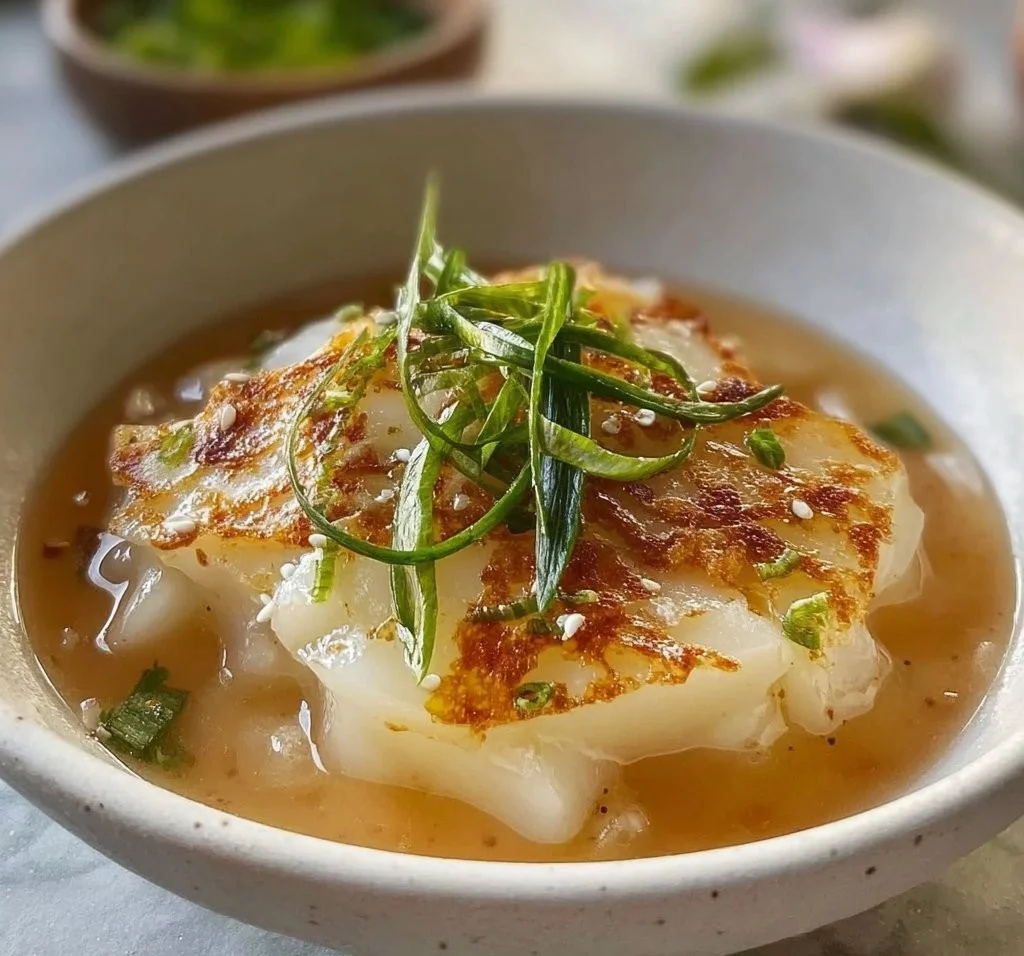
Korean Radish Soup
Ingredients
Method
- Start by placing your chopped beef into a large pot and cover it with water. Bring it to a boil over medium-high heat. Let it simmer for about 10 minutes to allow the scum to rise, then strain and rinse the meat under cold water.
- Once your beef is prepped, return it to the pot and add 6 cups of water or chicken broth. Get it bubbling again and simmer for 30 minutes.
- Next, toss in your diced radish, sliced onion, and minced garlic. Let everything simmer together for another 20 minutes.
- After the veggies have become tender, stir in the soy sauce, salt, and sesame oil, adjusting the seasoning to your liking. If you love a bit of heat, add sliced chili peppers for that extra zing.
- To finish, give everything a gentle stir and let it simmer for an extra five minutes until the radish is soft but not mushy.
- Ladle a generous portion of the soup into bowls and garnish with fresh chopped green onions. Serve with a side of steamed rice or a bowl of kimchi.